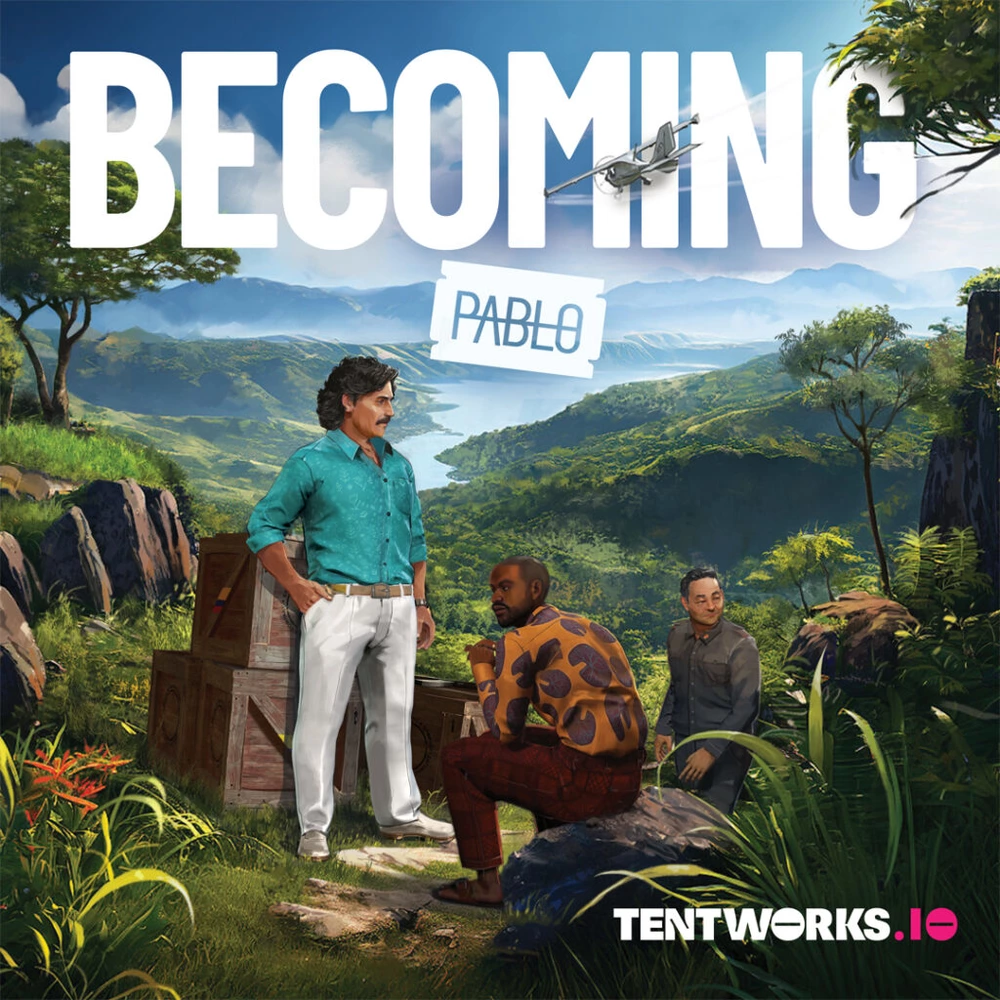
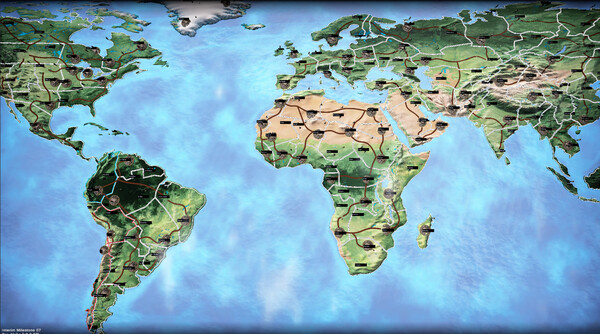
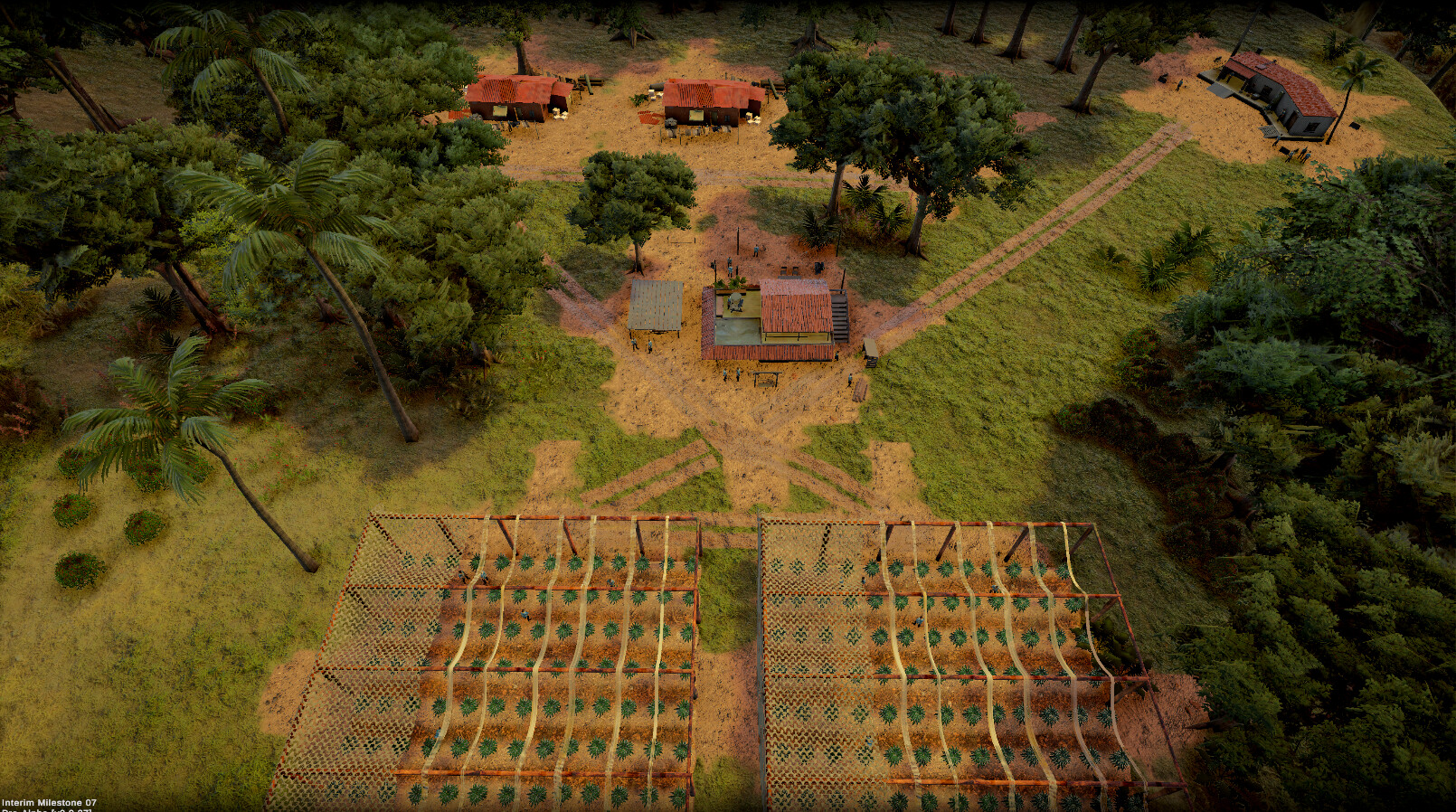
Becoming Pablo is a turn-based
grand-strategy game where you build and lead
a cartel empire. Conquer territories, manage
your operation, and outsmart rivals in the
gritty 70s-90s drug trade era. Every choice
impacts your rise to power—or your
downfall. Can you dominate the underworld?
Creating a
dynamic narrative
and
game play elements
in a fast-paced environment with multiple teams.
Opportunity
Getting to
write alt-history, a crime drama and to
work on grand strategy.
Background
For this
unreleased PC Game, I acted as one of the Narrative designers. At
Tentworks Interactive, I worked in collaboration with different teams
to create a compelling design experience
comprising a drama telling interesting stories
that intertwined intuitively with game design
elements. I was responsible for the development of
narrative structure, story development,
character development, game scripts, event
design, flavour texts, barks, and alt-history
lore.
Please note, this project is still under an
NDA until its
full release.
Responsibilities
– Establishing an Overarching
Narrative – Story Research,
Planning, and Development –
Establishing an Ethos and developing deeper
themes. – Dialogue scripting and
Narrative Design – Creating
characters and storylines –
Designing and planning gameplay events –
Writing cutscenes, barks, and flavor texts for
the main game.
Establishing an Overarching Narrative
Story Research, Planning, and Development
Establishing an Ethos and developing deeper
themes.
Dialogue scripting and Narrative Design
Creating characters and storylines
Designing and planning gameplay events
Writing cutscenes, barks, and flavor texts
for the main game.
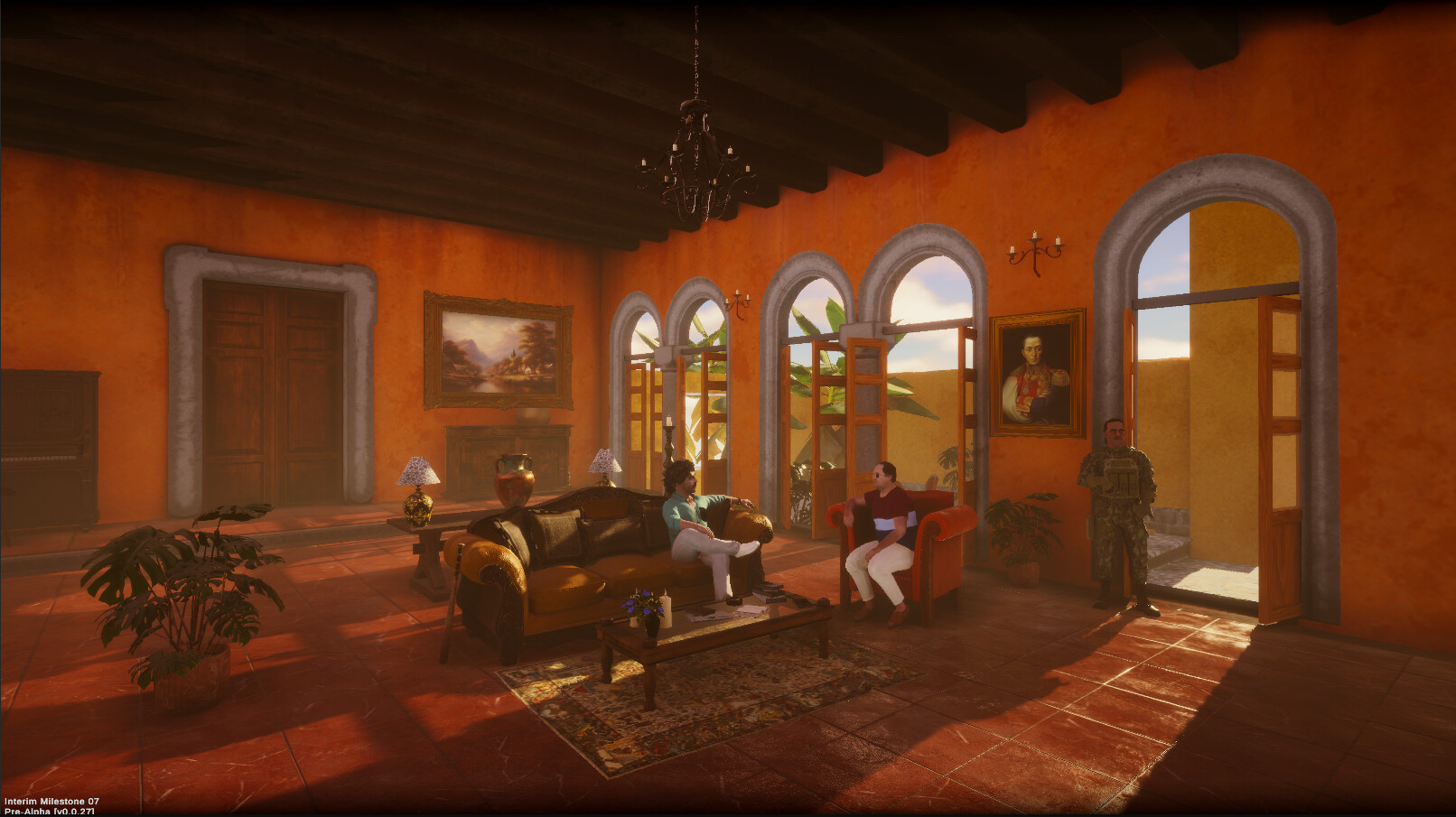
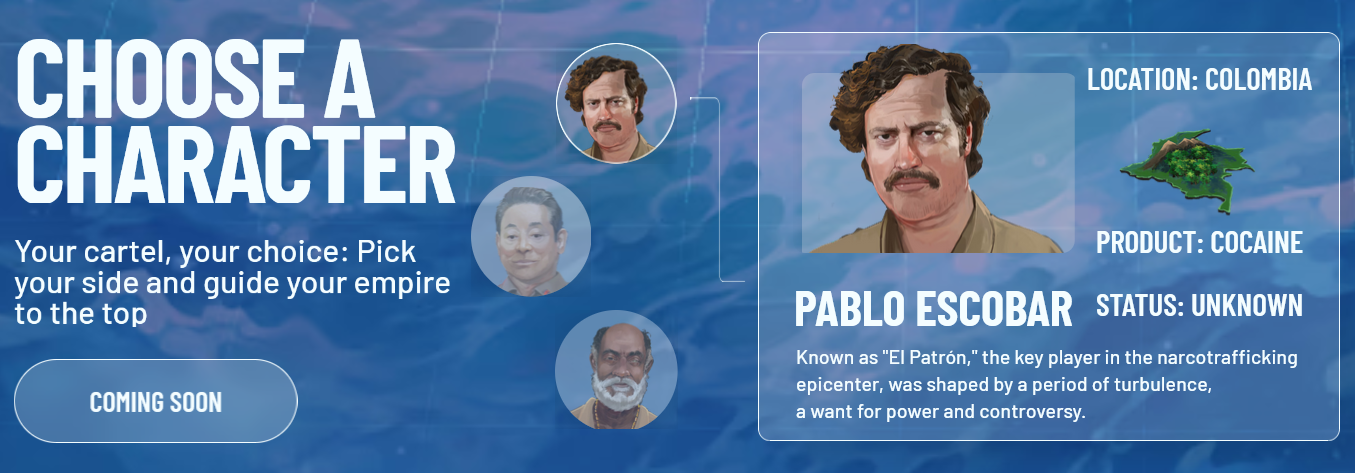
We created diverse characters based on
real-life counterparts, ensuring
authenticity while integrating them into the
game's narrative.
Main Responsibilities
1. Establishing an Overarching Narrative
When I was brought onto the project, it was in
its early development phase, and although
initial work had already started on the gameplay
and story concepts, there was no coherent
narrative structure that bound all of the game
campaigns and systems together. So,
I pitched different ideas that could possibly
work as our glue, and when one was chosen, I
quickly developed the idea into deliverables
that kickstarted the development pipeline
properly.
An overarching narrative connects the
different campaigns together.
2. Story Research, Planning, and Development
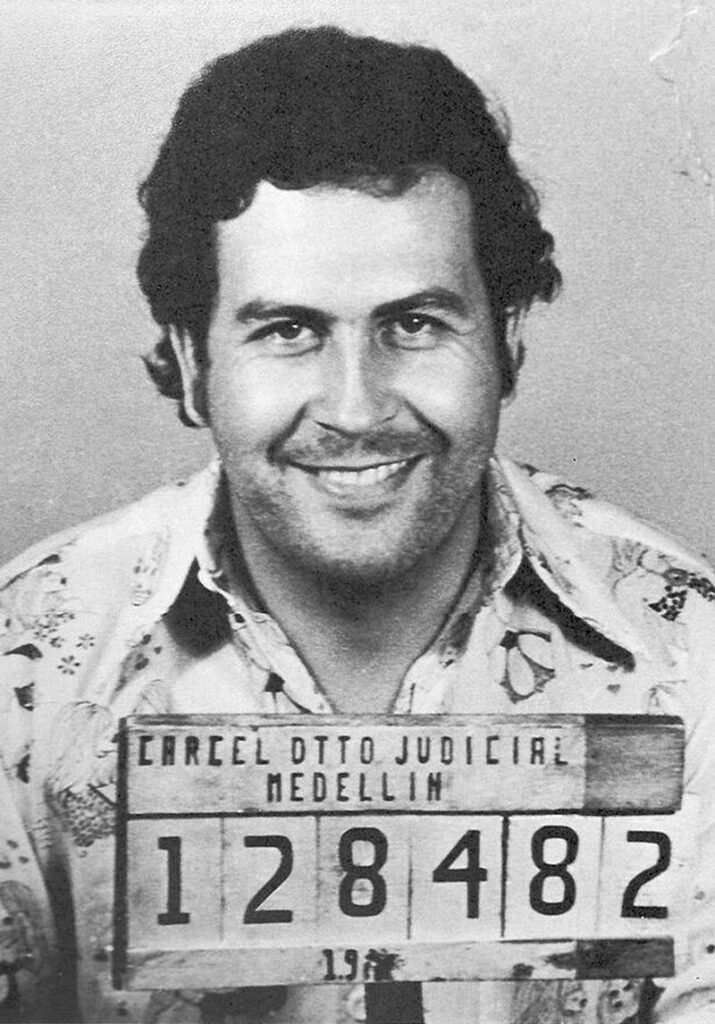
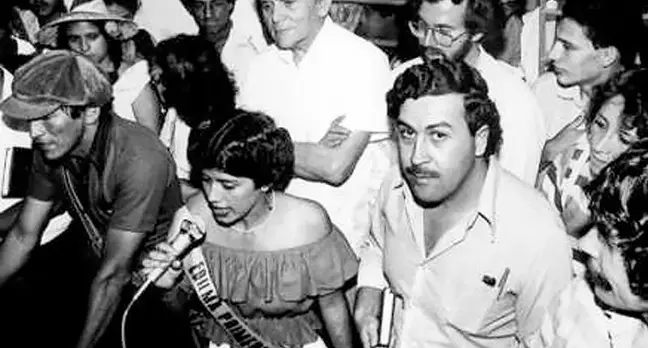
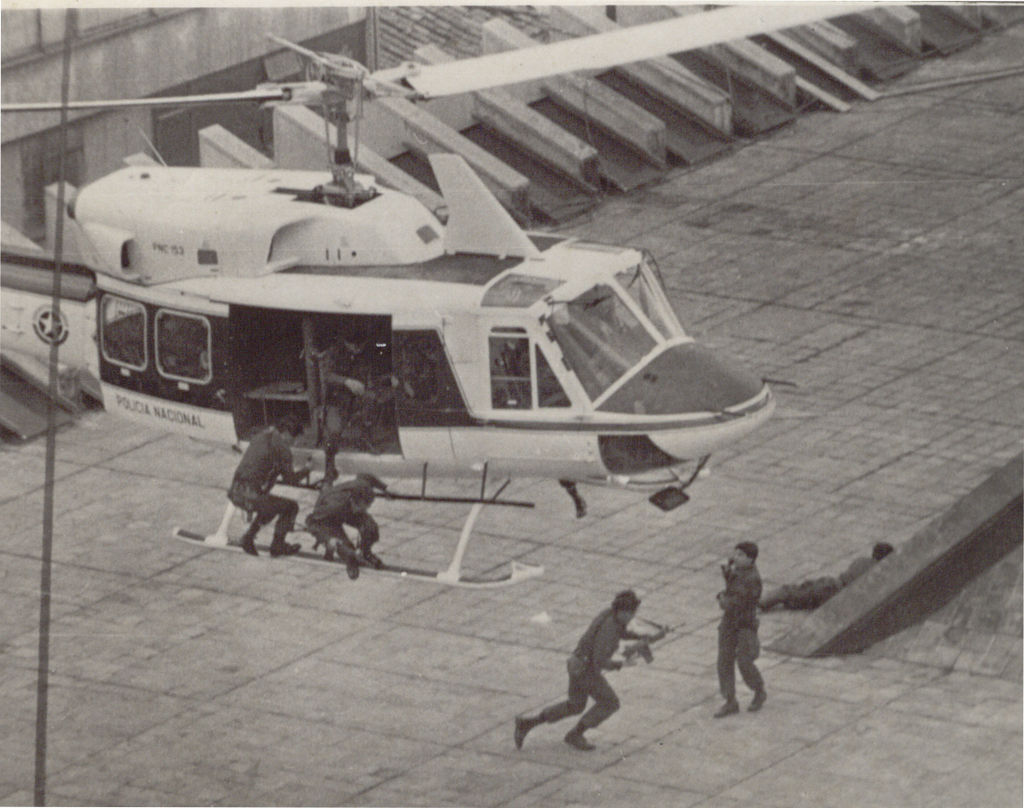
Given that the game revolves around the
real-life story of the notoriously infamous
Pablo Escobar, care had to be taken in how the
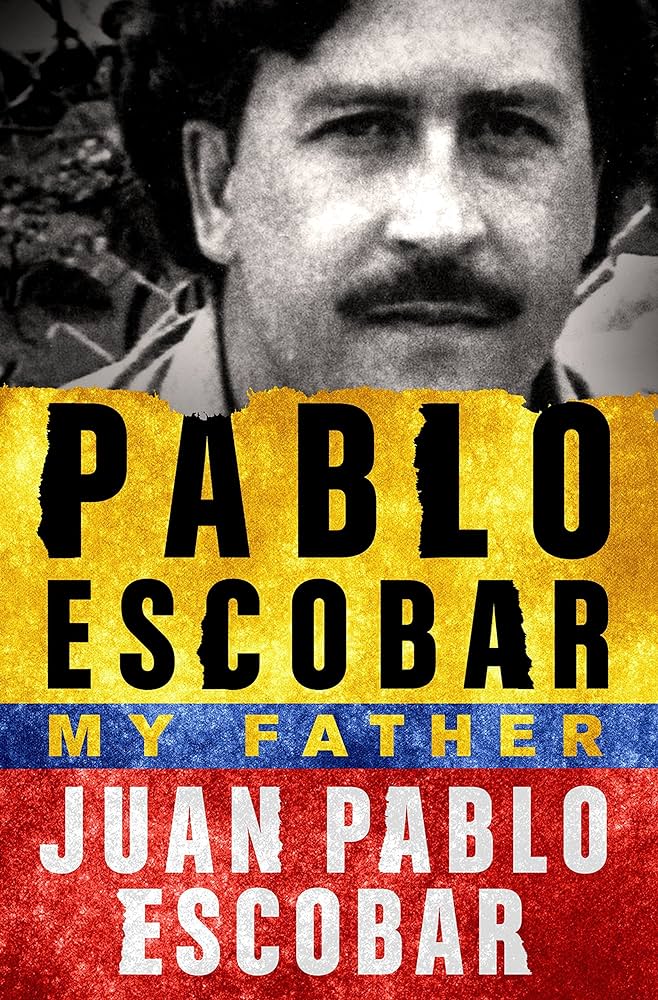
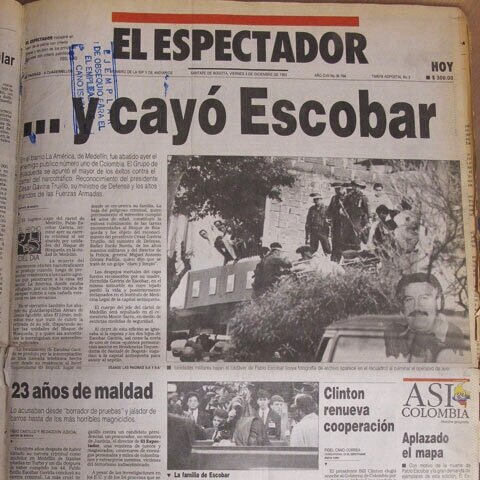
story was told, so I dedicated appropriate
time to thorough research, even down to details from his son’s
tell-all, the newspaper reports from that time,
and more. The research provided the added
benefit of enhancing the authenticity of the
game’s setting—both the time period
(70s to 90s) and location
(Colombia)—thereby deepening player
immersion.
Having gained a good understanding of the
character and the world,
I derived an ethos for the game and
identified multiple key themes, both secondary
and tertiary. Using these themes, I crafted compelling
characters and emotional story beats, leading to
a preliminary story outline and character arcs.
To visualize this, I used flowcharts, diagrams,
and mood boards, and based on feedback from the
creative leads and the design team, I made the
necessary changes.
3. Dialogue scripting and Narrative Design
Collaborating with the game design team and
working from their game plan and design
requirements,
I wrote the game script.This non-linear script integrated the grand
strategy, management, and event-based aspects
of the gameplay into the writing style,
allowing for a varied player experience. This process tested my ability to juggle
narrative with gameplay while still telling a
compelling story.
4. Designing and planning gameplay events
While the design team had already earmarked the
major gameplay events and the pacing, I was
tasked with creating some of my own major and
minor gameplay events. To achieve this,
I had planned the story in layers based on
themes, allowing me to create engaging events
that played out those themes
organically.
Some events had immediate effects on the
gameplay, while others molded a more unique
gameplay and narrative experience for the
player.
5. Miscellaneous
I also
wrote the cutscenes, barks, and flavor texts
for the main game.